Industrial Air Compressors: The Core of Manufacturing Systems
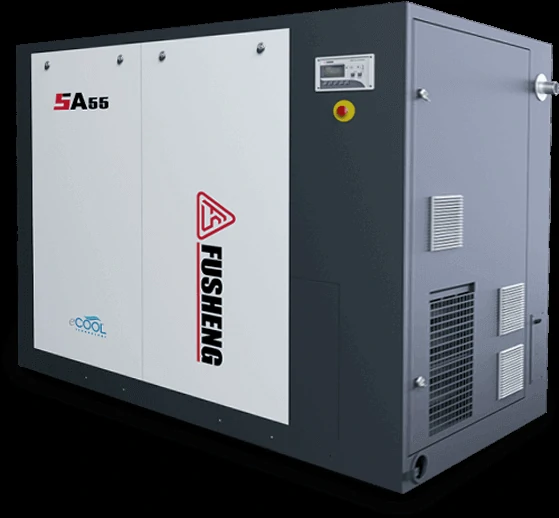
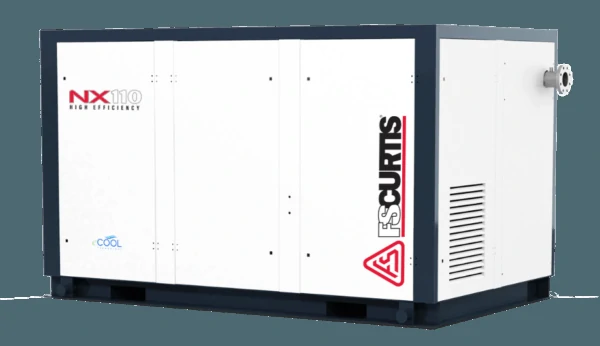
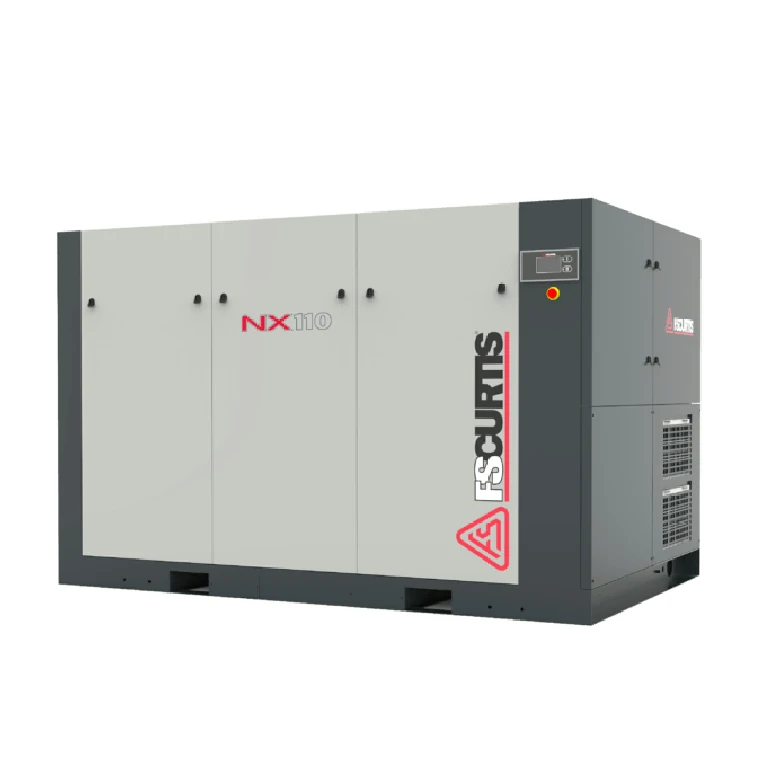
In industrial plants—whether small or large-scale—industrial air compressors are one of the most essential pieces of equipment. Compressed air is widely used across many processes, including machine operation, automation systems, packaging lines, and precision applications such as nitrogen gas generation and measuring instruments.
Choosing the right air compressor for the specific needs of a factory has a direct impact on production efficiency, energy costs, and overall system reliability.
The Role of Industrial Air Compressors in Production Lines
An air compressor supplies compressed air with stable pressure for continuous operation. If air pressure fluctuates or is insufficient, machinery may operate inconsistently, suffer damage, or produce lower-quality output. This is especially critical in facilities where compressed air is a primary energy source.
For applications requiring high-quality air—such as nitrogen generation systems—a well-designed compressed air system allows equipment to operate at full capacity while minimizing moisture, oil, and contamination. These factors are essential for maintaining consistent production quality.
Selecting the Right Air Compressor for Industrial Use
When selecting an industrial air compressor, it is important to consider more than just size or price. Factors such as daily air consumption, required pressure levels, continuous or intermittent operation, and the working environment must be taken into account.
A properly selected air compressor helps reduce unnecessary energy consumption, lowers electricity costs, and extends the lifespan of connected machinery. In addition, correct installation and proper equipment layout make maintenance easier and reduce the risk of long-term operational issues.
Standardized Installation and Proper Maintenance
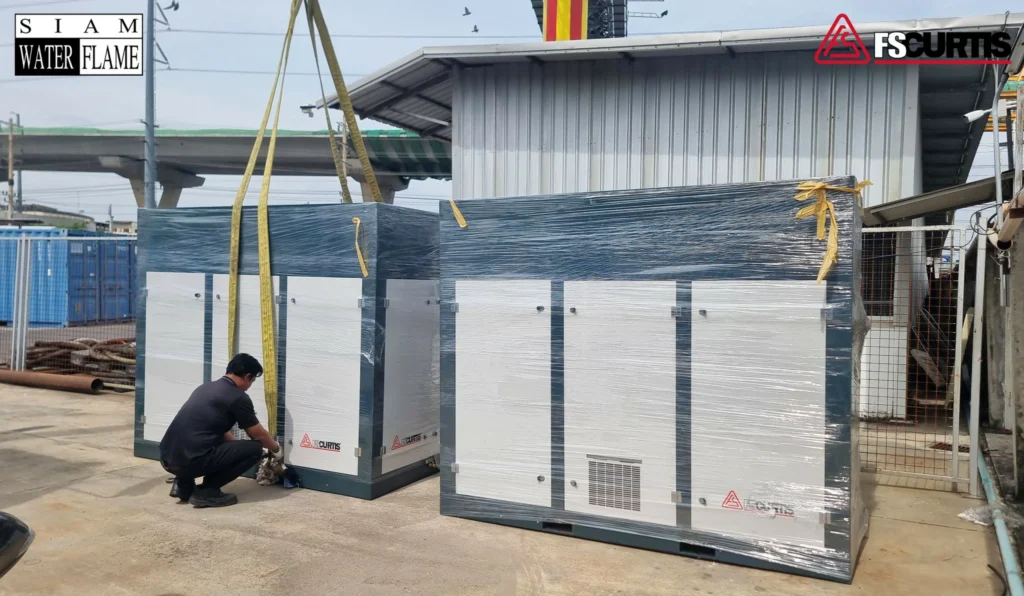
Even the highest-quality air compressor will underperform if it is not installed correctly. Installation should follow industry standards, with careful consideration given to piping design, ventilation, noise control, and maintenance accessibility.
Regular inspection and maintenance—such as filter replacement, pressure monitoring, and electrical system checks—ensure stable operation, reduce unexpected production downtime, and help control maintenance costs over time.
Industrial Air Compressors and Sustainable Factory Development
Today, industrial facilities place greater emphasis on energy efficiency and sustainable operations. A well-designed air compressor system with appropriate control mechanisms can significantly reduce overall energy consumption and support long-term sustainability goals.
Investing in a reliable compressed air system not only improves production efficiency but also establishes a strong foundation for future expansion and long-term operational stability.
Industrial Air Compressors: The Core of Manufacturing Systems
In industrial plants—whether small or large-scale—industrial air compressors are one of the most essential pieces of equipment. Compressed air is widely used across many processes, including machine operation, automation systems, packaging lines, and precision applications such as nitrogen gas generation and measuring instruments.
Choosing the right air compressor for the specific needs of a factory has a direct impact on production efficiency, energy costs, and overall system reliability.
The Role of Industrial Air Compressors in Production Lines
An air compressor supplies compressed air with stable pressure for continuous operation. If air pressure fluctuates or is insufficient, machinery may operate inconsistently, suffer damage, or produce lower-quality output. This is especially critical in facilities where compressed air is a primary energy source.
For applications requiring high-quality air—such as nitrogen generation systems—a well-designed compressed air system allows equipment to operate at full capacity while minimizing moisture, oil, and contamination. These factors are essential for maintaining consistent production quality.
Selecting the Right Air Compressor for Industrial Use
When selecting an industrial air compressor, it is important to consider more than just size or price. Factors such as daily air consumption, required pressure levels, continuous or intermittent operation, and the working environment must be taken into account.
A properly selected air compressor helps reduce unnecessary energy consumption, lowers electricity costs, and extends the lifespan of connected machinery. In addition, correct installation and proper equipment layout make maintenance easier and reduce the risk of long-term operational issues.
Standardized Installation and Proper Maintenance
Even the highest-quality air compressor will underperform if it is not installed correctly. Installation should follow industry standards, with careful consideration given to piping design, ventilation, noise control, and maintenance accessibility.
Regular inspection and maintenance—such as filter replacement, pressure monitoring, and electrical system checks—ensure stable operation, reduce unexpected production downtime, and help control maintenance costs over time.
Industrial Air Compressors and Sustainable Factory Development
Today, industrial facilities place greater emphasis on energy efficiency and sustainable operations. A well-designed air compressor system with appropriate control mechanisms can significantly reduce overall energy consumption and support long-term sustainability goals.
Investing in a reliable compressed air system not only improves production efficiency but also establishes a strong foundation for future expansion and long-term operational stability.