Complete Guide to Industrial Air Compressor Types Advantages and Disadvantages Before You Invest
Choosing the right Industrial Air Compressor for your factory is not based on price alone. The type of compressor must align with your actual application requirements, as each system has distinct strengths and limitations.
This article summarizes the most popular types of industrial air compressors, along with their advantages and disadvantages, to help business owners and engineers make a cost-effective long-term investment decision.
How Many Types of Industrial Air Compressors Are There ?
In general, industrial air compressors can be classified into four main types:
Piston Air Compressor
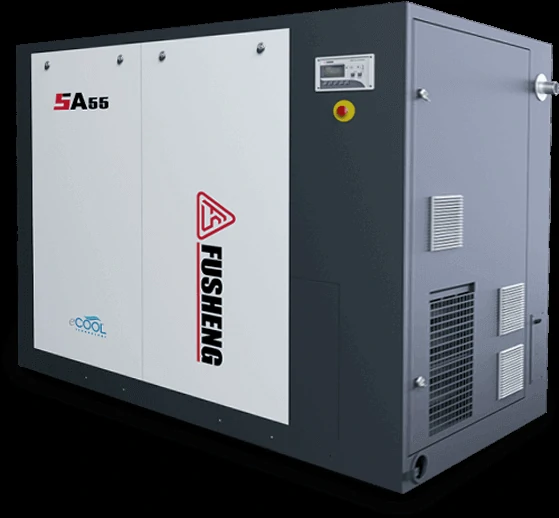
Screw Air Compressor
Centrifugal Air Compressor
Oil-Free Air Compressor
Each type is suitable for different operational needs.
1. Piston Air Compressor
A piston air compressor is commonly found in small to medium-sized factories. It operates by using a piston to compress air into a pressure tank.
Advantages
Low initial investment cost
Simple structure
Easy maintenance
Suitable for intermittent air usage
Limitations
Noisy operation
Not suitable for continuous use
Shorter lifespan compared to screw compressors
Best suited for: Small factories, maintenance work, or applications that do not require continuous operation.
2. Screw Air Compressor
The screw air compressor is one of the most popular types in industrial environments due to its ability to provide stable and continuous airflow.
Advantages
Supports 24-hour continuous operation
Energy-efficient
Quieter than piston compressors
Stable and consistent air supply
Long service life
Limitations
Higher initial investment
Requires maintenance by skilled technicians
Best suited for: Manufacturing plants, automated production lines, and medium to large industrial compressed air systems.
3. Centrifugal Air Compressor
This type of industrial air compressor is designed for large factories requiring high volumes of compressed air continuously.
Advantages
Very high air output capacity
Suitable for heavy-duty operations
Lower cost per unit of air when operating at full capacity
Limitations
High capital investment
Complex system design
Not suitable for small factories
Best suited for: Large-scale industries such as petrochemical plants, steel manufacturing, and heavy industrial facilities.
4. Oil-Free Air Compressor
Oil-free air compressors are specifically designed to produce clean, oil-free air, making them ideal for industries with strict air purity requirements.
Advantages
Clean air with no oil contamination
Meets food and pharmaceutical industry standards
Reduces risk of product damage due to oil contamination
Limitations
Higher purchase cost
Higher maintenance expenses compared to standard models
Best suited for: Food processing, pharmaceuticals, electronics manufacturing, and cleanroom environments.
How to Choose the Right Industrial Air Compressor
Before investing in an industrial air compressor, consider the following factors:
Actual air flow requirement (CFM)
Required operating pressure
Continuous or intermittent usage
Air purity requirements
Future factory expansion plans
Selecting the correct compressor type from the beginning can significantly reduce electricity costs, minimize maintenance expenses, and improve overall production efficiency.
Each type of industrial air compressor has its own strengths—there is no single “best” option for every factory, but there is always a “most suitable” option for each specific application.
To ensure a cost-effective long-term investment, it is advisable to consult compressed air system specialists who can design a system tailored to your real operational needs—helping reduce costs and maximize sustainable production efficiency.
Complete Guide to Industrial Air Compressor Types Advantages and Disadvantages Before You Invest
Choosing the right Industrial Air Compressor for your factory is not based on price alone. The type of compressor must align with your actual application requirements, as each system has distinct strengths and limitations.
This article summarizes the most popular types of industrial air compressors, along with their advantages and disadvantages, to help business owners and engineers make a cost-effective long-term investment decision.
How Many Types of Industrial Air Compressors Are There ?
In general, industrial air compressors can be classified into four main types:
Piston Air Compressor
Screw Air Compressor
Centrifugal Air Compressor
Oil-Free Air Compressor
Each type is suitable for different operational needs.
1. Piston Air Compressor
A piston air compressor is commonly found in small to medium-sized factories. It operates by using a piston to compress air into a pressure tank.
Advantages
Low initial investment cost
Simple structure
Easy maintenance
Suitable for intermittent air usage
Limitations
Noisy operation
Not suitable for continuous use
Shorter lifespan compared to screw compressors
Best suited for: Small factories, maintenance work, or applications that do not require continuous operation.
2. Screw Air Compressor
The screw air compressor is one of the most popular types in industrial environments due to its ability to provide stable and continuous airflow.
Advantages
Supports 24-hour continuous operation
Energy-efficient
Quieter than piston compressors
Stable and consistent air supply
Long service life
Limitations
Higher initial investment
Requires maintenance by skilled technicians
Best suited for: Manufacturing plants, automated production lines, and medium to large industrial compressed air systems.
3. Centrifugal Air Compressor
This type of industrial air compressor is designed for large factories requiring high volumes of compressed air continuously.
Advantages
Very high air output capacity
Suitable for heavy-duty operations
Lower cost per unit of air when operating at full capacity
Limitations
High capital investment
Complex system design
Not suitable for small factories
Best suited for: Large-scale industries such as petrochemical plants, steel manufacturing, and heavy industrial facilities.
4. Oil-Free Air Compressor
Oil-free air compressors are specifically designed to produce clean, oil-free air, making them ideal for industries with strict air purity requirements.
Advantages
Clean air with no oil contamination
Meets food and pharmaceutical industry standards
Reduces risk of product damage due to oil contamination
Limitations
Higher purchase cost
Higher maintenance expenses compared to standard models
Best suited for: Food processing, pharmaceuticals, electronics manufacturing, and cleanroom environments.
How to Choose the Right Industrial Air Compressor
Before investing in an industrial air compressor, consider the following factors:
Actual air flow requirement (CFM)
Required operating pressure
Continuous or intermittent usage
Air purity requirements
Future factory expansion plans
Selecting the correct compressor type from the beginning can significantly reduce electricity costs, minimize maintenance expenses, and improve overall production efficiency.
Each type of industrial air compressor has its own strengths—there is no single “best” option for every factory, but there is always a “most suitable” option for each specific application.
To ensure a cost-effective long-term investment, it is advisable to consult compressed air system specialists who can design a system tailored to your real operational needs—helping reduce costs and maximize sustainable production efficiency.
Complete Guide to Industrial Air Compressor Types Advantages and Disadvantages Before You Invest
Choosing the right Industrial Air Compressor for your factory is not based on price alone. The type of compressor must align with your actual application requirements, as each system has distinct strengths and limitations.
This article summarizes the most popular types of industrial air compressors, along with their advantages and disadvantages, to help business owners and engineers make a cost-effective long-term investment decision.
How Many Types of Industrial Air Compressors Are There ?
In general, industrial air compressors can be classified into four main types:
Piston Air Compressor
Screw Air Compressor
Centrifugal Air Compressor
Oil-Free Air Compressor
Each type is suitable for different operational needs.
1. Piston Air Compressor
A piston air compressor is commonly found in small to medium-sized factories. It operates by using a piston to compress air into a pressure tank.
Advantages
Low initial investment cost
Simple structure
Easy maintenance
Suitable for intermittent air usage
Limitations
Noisy operation
Not suitable for continuous use
Shorter lifespan compared to screw compressors
Best suited for: Small factories, maintenance work, or applications that do not require continuous operation.
2. Screw Air Compressor
The screw air compressor is one of the most popular types in industrial environments due to its ability to provide stable and continuous airflow.
Advantages
Supports 24-hour continuous operation
Energy-efficient
Quieter than piston compressors
Stable and consistent air supply
Long service life
Limitations
Higher initial investment
Requires maintenance by skilled technicians
Best suited for: Manufacturing plants, automated production lines, and medium to large industrial compressed air systems.
3. Centrifugal Air Compressor
This type of industrial air compressor is designed for large factories requiring high volumes of compressed air continuously.
Advantages
Very high air output capacity
Suitable for heavy-duty operations
Lower cost per unit of air when operating at full capacity
Limitations
High capital investment
Complex system design
Not suitable for small factories
Best suited for: Large-scale industries such as petrochemical plants, steel manufacturing, and heavy industrial facilities.
4. Oil-Free Air Compressor
Oil-free air compressors are specifically designed to produce clean, oil-free air, making them ideal for industries with strict air purity requirements.
Advantages
Clean air with no oil contamination
Meets food and pharmaceutical industry standards
Reduces risk of product damage due to oil contamination
Limitations
Higher purchase cost
Higher maintenance expenses compared to standard models
Best suited for: Food processing, pharmaceuticals, electronics manufacturing, and cleanroom environments.
How to Choose the Right Industrial Air Compressor
Before investing in an industrial air compressor, consider the following factors:
Actual air flow requirement (CFM)
Required operating pressure
Continuous or intermittent usage
Air purity requirements
Future factory expansion plans