What Is an Industrial Air Compressor ?
How to Choose the Right Factory Air Compressor for Real-World Applications
In industrial production systems, compressed air is a critical energy source that powers a wide range of machinery—whether in production lines, packaging systems, spray painting operations, or pneumatic tools. At the heart of this system is the industrial air compressor, commonly referred to as a factory air compressor.
This article explains what an industrial air compressor is and how to choose the right one for your actual production needs—helping reduce energy costs and improve long-term factory efficiency.
What Is an Industrial Air Compressor ?
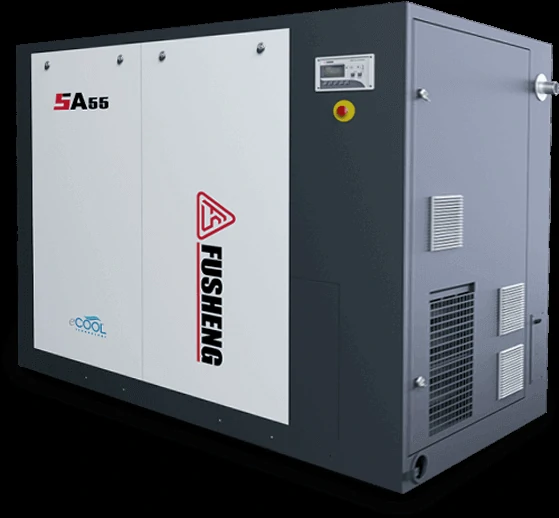
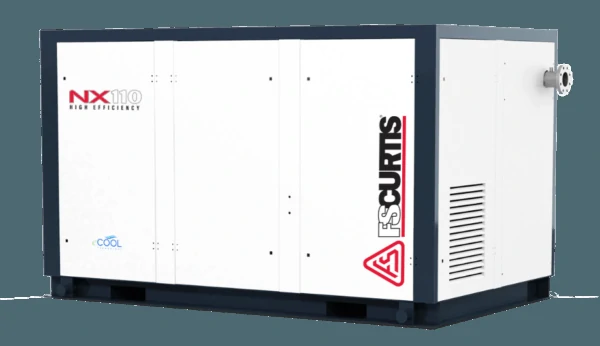
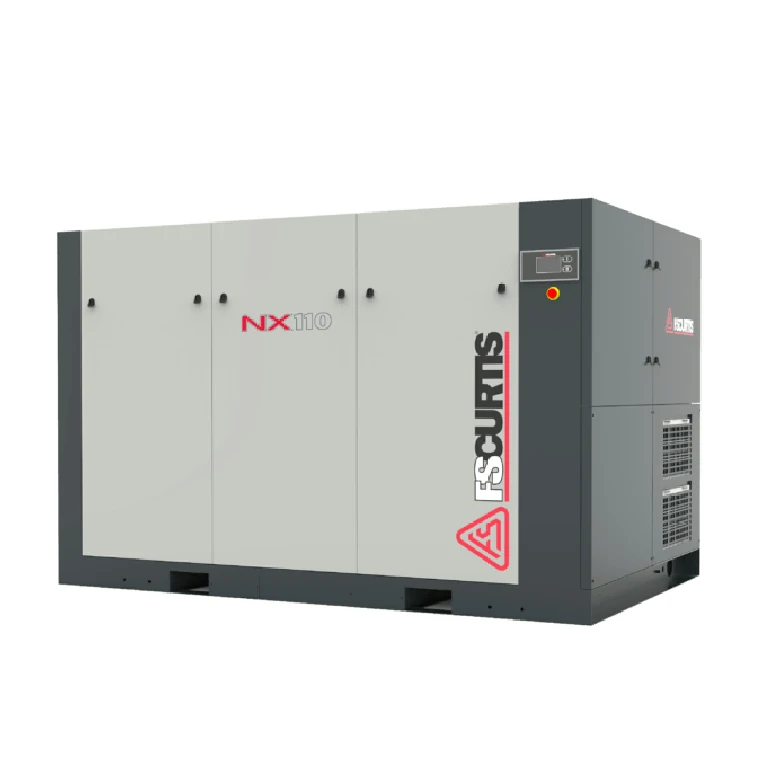
An Industrial Air Compressor is a machine that draws in ambient air and compresses it to a higher pressure for use in manufacturing processes. It is used to power pneumatic cylinders, automated machinery, conveying systems, and various industrial tools.
Unlike household air compressors, factory air compressors are designed for continuous operation, heavy-duty loads, and high stability—often supporting 24-hour production environments.
Industries That Commonly Use Industrial Air Compressors
Food and pharmaceutical manufacturing
Electronics industry
Metal and aluminum processing
Spray painting applications
General manufacturing plants
Common Types of Industrial Air Compressors
Choosing the right compressor type is the first step toward building an efficient compressed air system.
Piston Air Compressor
Suitable for intermittent air usage
Lower cost and simple maintenance
Noisy and not ideal for long continuous operation
Screw Air Compressor
Highly popular in industrial factories
Designed for continuous operation
Energy-efficient, stable airflow, and long service life
Oil-Free Air Compressor
Ideal for industries requiring high air purity, such as food, pharmaceuticals, and electronics
Minimizes contamination risks in production processes
How to Choose the Right Factory Air Compressor
Selecting an industrial air compressor should not be based solely on horsepower. Several key factors must be considered
Air Flow Rate (CFM)
Calculate total air consumption from all equipment using compressed air, and add a 20–30% margin to support future expansion.
Working Pressure (PSI / Bar)
Choose according to machine specifications.
Too low → reduced system efficiency
Too high → unnecessary energy consumption
Application Type
Intermittent use → Piston compressor
Continuous operation → Screw compressor
High air purity required → Oil-free compressor
Overall Industrial Air System
In addition to the compressor itself, consider:
Air Dryer
Air Filtration System
Industrial Piping System
These components directly affect air quality and electricity costs.
A Well-Designed Compressed Air System Can Reduce Factory Costs
Many factories lose significant energy due to air leaks or poorly designed piping systems. Proper compressor room layout, correct pipe sizing, and appropriate auxiliary equipment installation can reduce energy consumption by 20–30%.
Investing in a properly engineered compressed air system from the beginning helps lower long-term operating costs and minimize unexpected downtime.
Industrial air compressors are the backbone of modern production systems. Selecting the right machine and designing a proper compressed air system improves efficiency, reduces costs, and extends the lifespan of factory equipment.
If you are looking for an expert in industrial air compressors, compressed air system design, and turnkey factory installation, consulting experienced professionals from the start is the key to achieving maximum operational performance.
What Is an Industrial Air Compressor ?
How to Choose the Right Factory Air Compressor for Real-World Applications
In industrial production systems, compressed air is a critical energy source that powers a wide range of machinery—whether in production lines, packaging systems, spray painting operations, or pneumatic tools. At the heart of this system is the industrial air compressor, commonly referred to as a factory air compressor.
This article explains what an industrial air compressor is and how to choose the right one for your actual production needs—helping reduce energy costs and improve long-term factory efficiency.
What Is an Industrial Air Compressor ?
An Industrial Air Compressor is a machine that draws in ambient air and compresses it to a higher pressure for use in manufacturing processes. It is used to power pneumatic cylinders, automated machinery, conveying systems, and various industrial tools.
Unlike household air compressors, factory air compressors are designed for continuous operation, heavy-duty loads, and high stability—often supporting 24-hour production environments.
Industries That Commonly Use Industrial Air Compressors
-
Food and pharmaceutical manufacturing
-
Electronics industry
-
Metal and aluminum processing
-
Spray painting applications
-
General manufacturing plants
Common Types of Industrial Air Compressors
Choosing the right compressor type is the first step toward building an efficient compressed air system.
Piston Air Compressor
-
Suitable for intermittent air usage
-
Lower cost and simple maintenance
-
Noisy and not ideal for long continuous operation
Screw Air Compressor
-
Highly popular in industrial factories
-
Designed for continuous operation
-
Energy-efficient, stable airflow, and long service life
Oil-Free Air Compressor
-
Ideal for industries requiring high air purity, such as food, pharmaceuticals, and electronics
-
Minimizes contamination risks in production processes
How to Choose the Right Factory Air Compressor
Selecting an industrial air compressor should not be based solely on horsepower. Several key factors must be considered
Air Flow Rate (CFM)
Calculate total air consumption from all equipment using compressed air, and add a 20–30% margin to support future expansion.
Working Pressure (PSI / Bar)
Choose according to machine specifications.
-
Too low → reduced system efficiency
-
Too high → unnecessary energy consumption
Application Type
-
Intermittent use → Piston compressor
-
Continuous operation → Screw compressor
-
High air purity required → Oil-free compressor
Overall Industrial Air System
In addition to the compressor itself, consider:
-
Air Dryer
-
Air Filtration System
-
Industrial Piping System
These components directly affect air quality and electricity costs.
A Well-Designed Compressed Air System Can Reduce Factory Costs
Many factories lose significant energy due to air leaks or poorly designed piping systems. Proper compressor room layout, correct pipe sizing, and appropriate auxiliary equipment installation can reduce energy consumption by 20–30%.
Investing in a properly engineered compressed air system from the beginning helps lower long-term operating costs and minimize unexpected downtime.
Industrial air compressors are the backbone of modern production systems. Selecting the right machine and designing a proper compressed air system improves efficiency, reduces costs, and extends the lifespan of factory equipment.
If you are looking for an expert in industrial air compressors, compressed air system design, and turnkey factory installation, consulting experienced professionals from the start is the key to achieving maximum operational performance.
What Is an Industrial Air Compressor ?
How to Choose the Right Factory Air Compressor for Real-World Applications
In industrial production systems, compressed air is a critical energy source that powers a wide range of machinery—whether in production lines, packaging systems, spray painting operations, or pneumatic tools. At the heart of this system is the industrial air compressor, commonly referred to as a factory air compressor.
This article explains what an industrial air compressor is and how to choose the right one for your actual production needs—helping reduce energy costs and improve long-term factory efficiency.
What Is an Industrial Air Compressor ?
An Industrial Air Compressor is a machine that draws in ambient air and compresses it to a higher pressure for use in manufacturing processes. It is used to power pneumatic cylinders, automated machinery, conveying systems, and various industrial tools.
Unlike household air compressors, factory air compressors are designed for continuous operation, heavy-duty loads, and high stability—often supporting 24-hour production environments.
Industries That Commonly Use Industrial Air Compressors
Food and pharmaceutical manufacturing
Electronics industry
Metal and aluminum processing
Spray painting applications
General manufacturing plants
Common Types of Industrial Air Compressors
Choosing the right compressor type is the first step toward building an efficient compressed air system.
Piston Air Compressor
Suitable for intermittent air usage
Lower cost and simple maintenance
Noisy and not ideal for long continuous operation
Screw Air Compressor
Highly popular in industrial factories
Designed for continuous operation
Energy-efficient, stable airflow, and long service life
Oil-Free Air Compressor
Ideal for industries requiring high air purity, such as food, pharmaceuticals, and electronics
Minimizes contamination risks in production processes
How to Choose the Right Factory Air Compressor
Selecting an industrial air compressor should not be based solely on horsepower. Several key factors must be considered
Air Flow Rate (CFM)
Calculate total air consumption from all equipment using compressed air, and add a 20–30% margin to support future expansion.
Working Pressure (PSI / Bar)
Choose according to machine specifications.
Too low → reduced system efficiency
Too high → unnecessary energy consumption
Application Type
Intermittent use → Piston compressor
Continuous operation → Screw compressor
High air purity required → Oil-free compressor
Overall Industrial Air System
In addition to the compressor itself, consider:
Air Dryer
Air Filtration System
Industrial Piping System