How Important Is an Industrial Compressed Air System in a Factory ?
How to Design It for Energy Efficiency
Many factories invest in expensive industrial air compressors, yet still face high electricity bills, underperforming machinery, or frequent pressure drops. In most cases, the root cause is not the compressor itself, but a poorly designed industrial compressed air system.
This article explains why a compressed air system is critical to factory operations and how proper design and installation can significantly reduce energy consumption and long-term costs.
What Is an Industrial Compressed Air System ?
An industrial compressed air system is responsible for producing, storing, distributing, and controlling compressed air within a factory. It typically consists of:
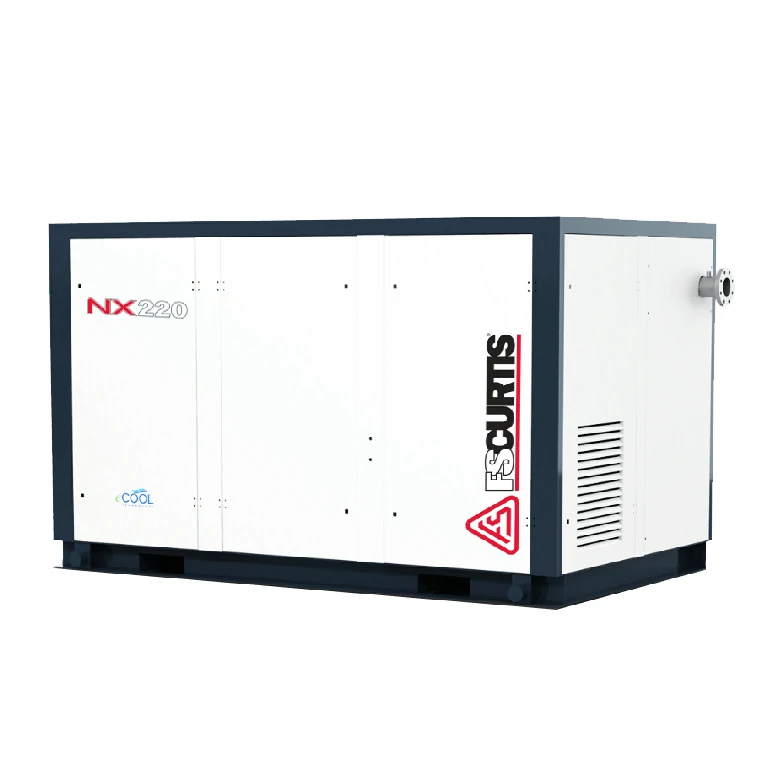
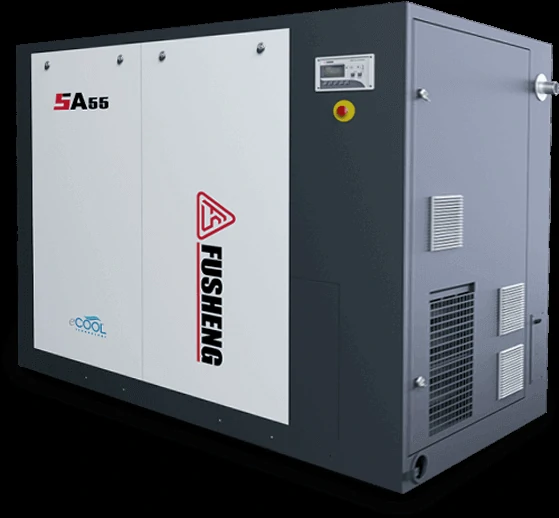
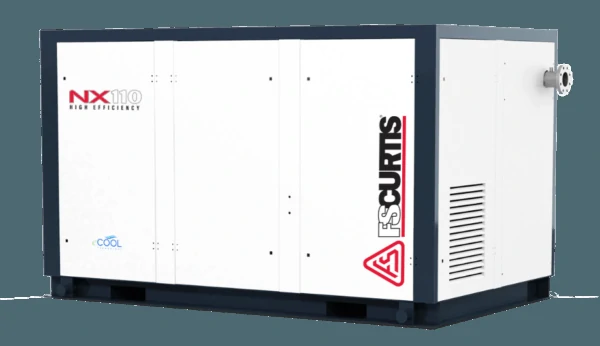
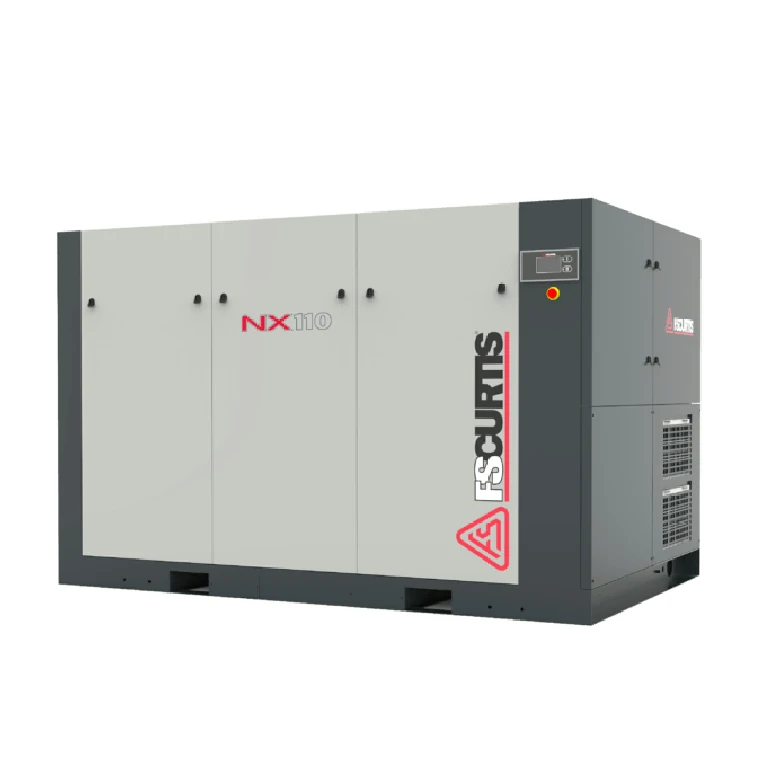
Industrial air compressor
Air receiver tank
Air dryer
Air filtration system
Industrial piping system
Pressure control devices
All components must work together seamlessly. If one part is improperly designed, the entire system’s performance will immediately suffer.
Why Is a Compressed Air System So Important ?
In many factories, compressed air accounts for more than 20–30% of total electricity consumption.
If the system is inefficient, common problems include:
Pressure drops
Machinery operating below capacity
Air compressors running harder than necessary
Increased electricity costs
Shortened equipment lifespan
Designing an efficient compressed air system from the beginning ensures smooth production, reduces downtime, and delivers measurable energy savings.
Key Components of an Efficient Industrial Air System
Choosing the Right Air Compressor
Factory compressor installation should begin with proper calculation of air flow (CFM) and operating pressure (Bar / PSI) to match machinery requirements, including additional capacity for future expansion.
Air Dryers and Filtration Systems
Moisture and contaminants in compressed air can damage valves, pneumatic cylinders, and machinery.
Air dryers and filters play a crucial role in maintaining air quality and protecting equipment.
Industrial Piping System
Improper pipe sizing or poor layout design can cause pressure drops and energy losses.
Pipes should have smooth internal surfaces to reduce friction, and routing should be designed as short and efficient as possible.
How to Design an Energy-Efficient Compressed Air System
Reduce Air Leaks
Even small leaks can waste thousands of dollars in energy annually.
Regular inspections and maintenance are essential.
Proper Compressor Room Layout
The compressor room should have good ventilation to prevent heat buildup, improving operating efficiency and extending equipment life.
Use Automatic Control Systems
Installing inverters (VSD – Variable Speed Drives) or pressure control systems allows compressors to operate according to actual load demand, reducing unnecessary electricity usage.
Plan for Future Expansion
A well-designed system should accommodate additional machinery in the future without requiring a complete system overhaul.
Professional Installation Reduces Long-Term Costs
Installing a factory air compressor is not as simple as connecting it to power. It requires a comprehensive understanding of the entire compressed air system—from equipment selection and piping design to operational settings.
Working with experienced specialists from the start minimizes design errors, reduces hidden costs, and maximizes return on investment.
An industrial compressed air system is the backbone of factory operations. Proper design—from selecting the right compressor to installing piping and auxiliary equipment—can significantly reduce energy consumption, improve efficiency, and extend machinery lifespan.
If you are planning to install a new factory air compressor or upgrade your existing system, partnering with a professional team is the first step toward building an energy-efficient factory ready for long-term growth.
How Important Is an Industrial Compressed Air System in a Factory ?
How to Design It for Energy Efficiency
Many factories invest in expensive industrial air compressors, yet still face high electricity bills, underperforming machinery, or frequent pressure drops. In most cases, the root cause is not the compressor itself, but a poorly designed industrial compressed air system.
This article explains why a compressed air system is critical to factory operations and how proper design and installation can significantly reduce energy consumption and long-term costs.
What Is an Industrial Compressed Air System ?
An industrial compressed air system is responsible for producing, storing, distributing, and controlling compressed air within a factory. It typically consists of:
Industrial air compressor
Air receiver tank
Air dryer
Air filtration system
Industrial piping system
Pressure control devices
All components must work together seamlessly. If one part is improperly designed, the entire system’s performance will immediately suffer.
Why Is a Compressed Air System So Important ?
In many factories, compressed air accounts for more than 20–30% of total electricity consumption. If the system is inefficient, common problems include:
Pressure drops
Machinery operating below capacity
Air compressors running harder than necessary
Increased electricity costs
Shortened equipment lifespan
Designing an efficient compressed air system from the beginning ensures smooth production, reduces downtime, and delivers measurable energy savings.
Key Components of an Efficient Industrial Air System
Choosing the Right Air Compressor
Factory compressor installation should begin with proper calculation of air flow (CFM) and operating pressure (Bar / PSI) to match machinery requirements, including additional capacity for future expansion.
Air Dryers and Filtration Systems
Moisture and contaminants in compressed air can damage valves, pneumatic cylinders, and machinery.
Air dryers and filters play a crucial role in maintaining air quality and protecting equipment.
Industrial Piping System
Improper pipe sizing or poor layout design can cause pressure drops and energy losses.
Pipes should have smooth internal surfaces to reduce friction, and routing should be designed as short and efficient as possible.
How to Design an Energy-Efficient Compressed Air System
Reduce Air Leaks
Even small leaks can waste thousands of dollars in energy annually.
Regular inspections and maintenance are essential.
Proper Compressor Room Layout
The compressor room should have good ventilation to prevent heat buildup, improving operating efficiency and extending equipment life.
Use Automatic Control Systems
Installing inverters (VSD – Variable Speed Drives) or pressure control systems allows compressors to operate according to actual load demand, reducing unnecessary electricity usage.
Plan for Future Expansion
A well-designed system should accommodate additional machinery in the future without requiring a complete system overhaul.
Professional Installation Reduces Long-Term Costs
Installing a factory air compressor is not as simple as connecting it to power. It requires a comprehensive understanding of the entire compressed air system—from equipment selection and piping design to operational settings.
Working with experienced specialists from the start minimizes design errors, reduces hidden costs, and maximizes return on investment.
An industrial compressed air system is the backbone of factory operations. Proper design—from selecting the right compressor to installing piping and auxiliary equipment—can significantly reduce energy consumption, improve efficiency, and extend machinery lifespan.
If you are planning to install a new factory air compressor or upgrade your existing system, partnering with a professional team is the first step toward building an energy-efficient factory ready for long-term growth.
How Important Is an Industrial Compressed Air System in a Factory ?
How to Design It for Energy Efficiency
Many factories invest in expensive industrial air compressors, yet still face high electricity bills, underperforming machinery, or frequent pressure drops. In most cases, the root cause is not the compressor itself, but a poorly designed industrial compressed air system.
This article explains why a compressed air system is critical to factory operations and how proper design and installation can significantly reduce energy consumption and long-term costs.
What Is an Industrial Compressed Air System ?
An industrial compressed air system is responsible for producing, storing, distributing, and controlling compressed air within a factory. It typically consists of:
Industrial air compressor
Air receiver tank
Air dryer
Air filtration system
Industrial piping system
Pressure control devices
All components must work together seamlessly. If one part is improperly designed, the entire system’s performance will immediately suffer.
Why Is a Compressed Air System So Important ?
In many factories, compressed air accounts for more than 20–30% of total electricity consumption. If the system is inefficient, common problems include:
Pressure drops
Machinery operating below capacity
Air compressors running harder than necessary
Increased electricity costs
Shortened equipment lifespan
Designing an efficient compressed air system from the beginning ensures smooth production, reduces downtime, and delivers measurable energy savings.
Key Components of an Efficient Industrial Air System
Choosing the Right Air Compressor
Factory compressor installation should begin with proper calculation of air flow (CFM) and operating pressure (Bar / PSI) to match machinery requirements, including additional capacity for future expansion.
Air Dryers and Filtration Systems
Moisture and contaminants in compressed air can damage valves, pneumatic cylinders, and machinery.
Air dryers and filters play a crucial role in maintaining air quality and protecting equipment.
Industrial Piping System
Improper pipe sizing or poor layout design can cause pressure drops and energy losses.
Pipes should have smooth internal surfaces to reduce friction, and routing should be designed as short and efficient as possible.
How to Design an Energy-Efficient Compressed Air System
Reduce Air Leaks
Even small leaks can waste thousands of dollars in energy annually.
Regular inspections and maintenance are essential.
Proper Compressor Room Layout
The compressor room should have good ventilation to prevent heat buildup, improving operating efficiency and extending equipment life.
Use Automatic Control Systems
Installing inverters (VSD – Variable Speed Drives) or pressure control systems allows compressors to operate according to actual load demand, reducing unnecessary electricity usage.
Plan for Future Expansion
A well-designed system should accommodate additional machinery in the future without requiring a complete system overhaul.
Professional Installation Reduces Long-Term Costs
Installing a factory air compressor is not as simple as connecting it to power. It requires a comprehensive understanding of the entire compressed air system—from equipment selection and piping design to operational settings.
Working with experienced specialists from the start minimizes design errors, reduces hidden costs, and maximizes return on investment.
An industrial compressed air system is the backbone of factory operations. Proper design—from selecting the right compressor to installing piping and auxiliary equipment—can significantly reduce energy consumption, improve efficiency, and extend machinery lifespan.
If you are planning to install a new factory air compressor or upgrade your existing system, partnering with a professional team is the first step toward building an energy-efficient factory ready for long-term growth.