Installing an Industrial Air Compressor in a Factory What You Need to Know
From Equipment Selection to Industrial Piping System Design
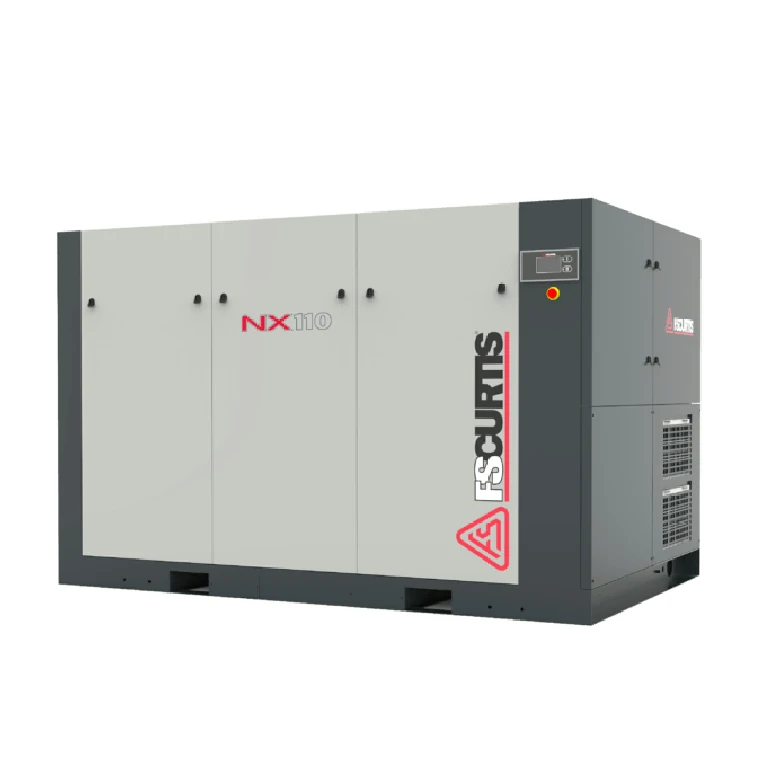
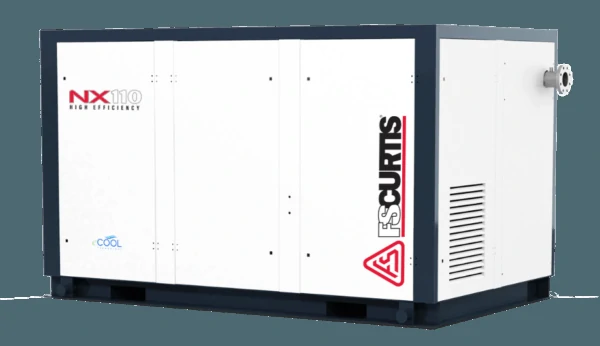
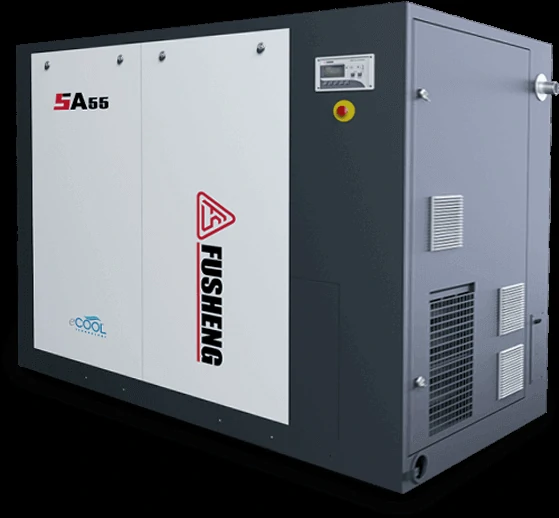
Installing an industrial air compressor is not as simple as connecting the machine to a power supply and turning it on. It involves designing a critical energy system within the factory—one that directly affects production efficiency, electricity costs, and the lifespan of machinery.
This article summarizes what you need to know before installing a factory air compressor, from selecting the right equipment to designing an industrial compressed air piping system for long-term value and performance.
Start by Choosing the Right Air Compressor
Before installation, carefully analyze your factory’s air requirements, including
Actual air consumption (CFM)
Required operating pressure (Bar / PSI)
Usage pattern (continuous or intermittent)
Required air quality (clean or oil-free air)
Based on these factors, select the appropriate compressor type—piston, screw, or oil-free. Choosing the wrong type can cause the compressor to work harder than necessary, increasing energy consumption and reducing equipment lifespan.
Preparing the Installation Area
The installation space should meet the following conditions
Good ventilation to reduce heat accumulation
Sufficient clearance around the machine for maintenance
Strong flooring capable of supporting the machine’s weight
Close proximity to air usage points to minimize piping distance
A properly designed compressor room significantly improves operating efficiency and extends equipment life.
Essential Components of a Complete Compressed Air System
Installing a factory air compressor should be approached as a complete system—not just a single machine. Essential components include:
Air receiver tank
Air dryer
Air filtration system
Pressure control valves
These components ensure clean, dry air and protect production machinery from moisture-related damage.
Industrial Piping System: The Heart of Air Distribution
Even with a high-quality compressor, a poorly designed industrial piping system can lead to pressure drops and unnecessary energy losses.
Key Principles in Piping Design
Select pipe sizes appropriate for the required airflow
Minimize bends and excessive pipe length
Use smooth interior materials to reduce friction loss
Separate main lines and branch lines clearly
Install proper drainage points to remove condensate
A well-designed piping system can significantly reduce electricity costs and improve pressure stability at end-use points.
Optimizing Control Systems for Energy Savings
Modern factories often use automatic control systems such as inverter drives (VSD) or advanced pressure control systems. These technologies allow compressors to operate according to actual load demand instead of running at full capacity unnecessarily.
Proper system configuration can reduce energy consumption by more than 20% while minimizing mechanical wear.
Professional Installation Prevents Long-Term Problems
Industrial air compressor installation requires expertise in electrical systems, mechanical engineering, and compressed air system design.
Improper installation may cause pressure drops, overheating, excessive electricity consumption, or premature equipment failure.
Selecting an experienced professional team from the beginning helps reduce hidden costs and ensures the system operates at maximum efficiency.
A successful factory air compressor installation begins with selecting the right equipment, preparing the installation area properly, integrating essential system components, and designing an efficient industrial piping network. Every step directly impacts energy costs, production efficiency, and system longevity.
If you are planning to install or upgrade your compressed air system, working with industrial air system specialists is a crucial step toward building an energy-efficient factory capable of sustainable growth in the future.
Installing an Industrial Air Compressor in a Factory What You Need to Know
From Equipment Selection to Industrial Piping System Design
Installing an industrial air compressor is not as simple as connecting the machine to a power supply and turning it on. It involves designing a critical energy system within the factory—one that directly affects production efficiency, electricity costs, and the lifespan of machinery.
This article summarizes what you need to know before installing a factory air compressor, from selecting the right equipment to designing an industrial compressed air piping system for long-term value and performance.
Start by Choosing the Right Air Compressor
Before installation, carefully analyze your factory’s air requirements, including
Actual air consumption (CFM)
Required operating pressure (Bar / PSI)
Usage pattern (continuous or intermittent)
Required air quality (clean or oil-free air)
Based on these factors, select the appropriate compressor type—piston, screw, or oil-free. Choosing the wrong type can cause the compressor to work harder than necessary, increasing energy consumption and reducing equipment lifespan.
Preparing the Installation Area
The installation space should meet the following conditions
Good ventilation to reduce heat accumulation
Sufficient clearance around the machine for maintenance
Strong flooring capable of supporting the machine’s weight
Close proximity to air usage points to minimize piping distance
A properly designed compressor room significantly improves operating efficiency and extends equipment life.
Essential Components of a Complete Compressed Air System
Installing a factory air compressor should be approached as a complete system—not just a single machine. Essential components include:
Air receiver tank
Air dryer
Air filtration system
Pressure control valves
These components ensure clean, dry air and protect production machinery from moisture-related damage.
Industrial Piping System: The Heart of Air Distribution
Even with a high-quality compressor, a poorly designed industrial piping system can lead to pressure drops and unnecessary energy losses.
Key Principles in Piping Design
Select pipe sizes appropriate for the required airflow
Minimize bends and excessive pipe length
Use smooth interior materials to reduce friction loss
Separate main lines and branch lines clearly
Install proper drainage points to remove condensate
A well-designed piping system can significantly reduce electricity costs and improve pressure stability at end-use points.
Optimizing Control Systems for Energy Savings
Modern factories often use automatic control systems such as inverter drives (VSD) or advanced pressure control systems. These technologies allow compressors to operate according to actual load demand instead of running at full capacity unnecessarily.
Proper system configuration can reduce energy consumption by more than 20% while minimizing mechanical wear.
Professional Installation Prevents Long-Term Problems
Industrial air compressor installation requires expertise in electrical systems, mechanical engineering, and compressed air system design.
Improper installation may cause pressure drops, overheating, excessive electricity consumption, or premature equipment failure.
Selecting an experienced professional team from the beginning helps reduce hidden costs and ensures the system operates at maximum efficiency.
A successful factory air compressor installation begins with selecting the right equipment, preparing the installation area properly, integrating essential system components, and designing an efficient industrial piping network. Every step directly impacts energy costs, production efficiency, and system longevity.
If you are planning to install or upgrade your compressed air system, working with industrial air system specialists is a crucial step toward building an energy-efficient factory capable of sustainable growth in the future.
Installing an Industrial Air Compressor in a Factory What You Need to Know
From Equipment Selection to Industrial Piping System Design
Installing an industrial air compressor is not as simple as connecting the machine to a power supply and turning it on. It involves designing a critical energy system within the factory—one that directly affects production efficiency, electricity costs, and the lifespan of machinery.
This article summarizes what you need to know before installing a factory air compressor, from selecting the right equipment to designing an industrial compressed air piping system for long-term value and performance.
Start by Choosing the Right Air Compressor
Before installation, carefully analyze your factory’s air requirements, including
Actual air consumption (CFM)
Required operating pressure (Bar / PSI)
Usage pattern (continuous or intermittent)
Required air quality (clean or oil-free air)
Based on these factors, select the appropriate compressor type—piston, screw, or oil-free. Choosing the wrong type can cause the compressor to work harder than necessary, increasing energy consumption and reducing equipment lifespan.
Preparing the Installation Area
The installation space should meet the following conditions
Good ventilation to reduce heat accumulation
Sufficient clearance around the machine for maintenance
Strong flooring capable of supporting the machine’s weight
Close proximity to air usage points to minimize piping distance
A properly designed compressor room significantly improves operating efficiency and extends equipment life.
Essential Components of a Complete Compressed Air System
Installing a factory air compressor should be approached as a complete system—not just a single machine. Essential components include:
Air receiver tank
Air dryer
Air filtration system
Pressure control valves
These components ensure clean, dry air and protect production machinery from moisture-related damage.
Industrial Piping System: The Heart of Air Distribution
Even with a high-quality compressor, a poorly designed industrial piping system can lead to pressure drops and unnecessary energy losses.
Key Principles in Piping Design
Select pipe sizes appropriate for the required airflow
Minimize bends and excessive pipe length
Use smooth interior materials to reduce friction loss
Separate main lines and branch lines clearly
Install proper drainage points to remove condensate
A well-designed piping system can significantly reduce electricity costs and improve pressure stability at end-use points.
Optimizing Control Systems for Energy Savings
Modern factories often use automatic control systems such as inverter drives (VSD) or advanced pressure control systems. These technologies allow compressors to operate according to actual load demand instead of running at full capacity unnecessarily.
Proper system configuration can reduce energy consumption by more than 20% while minimizing mechanical wear.
Professional Installation Prevents Long-Term Problems
Industrial air compressor installation requires expertise in electrical systems, mechanical engineering, and compressed air system design.
Improper installation may cause pressure drops, overheating, excessive electricity consumption, or premature equipment failure.
Selecting an experienced professional team from the beginning helps reduce hidden costs and ensures the system operates at maximum efficiency.
A successful factory air compressor installation begins with selecting the right equipment, preparing the installation area properly, integrating essential system components, and designing an efficient industrial piping network. Every step directly impacts energy costs, production efficiency, and system longevity.
If you are planning to install or upgrade your compressed air system, working with industrial air system specialists is a crucial step toward building an energy-efficient factory capable of sustainable growth in the future.